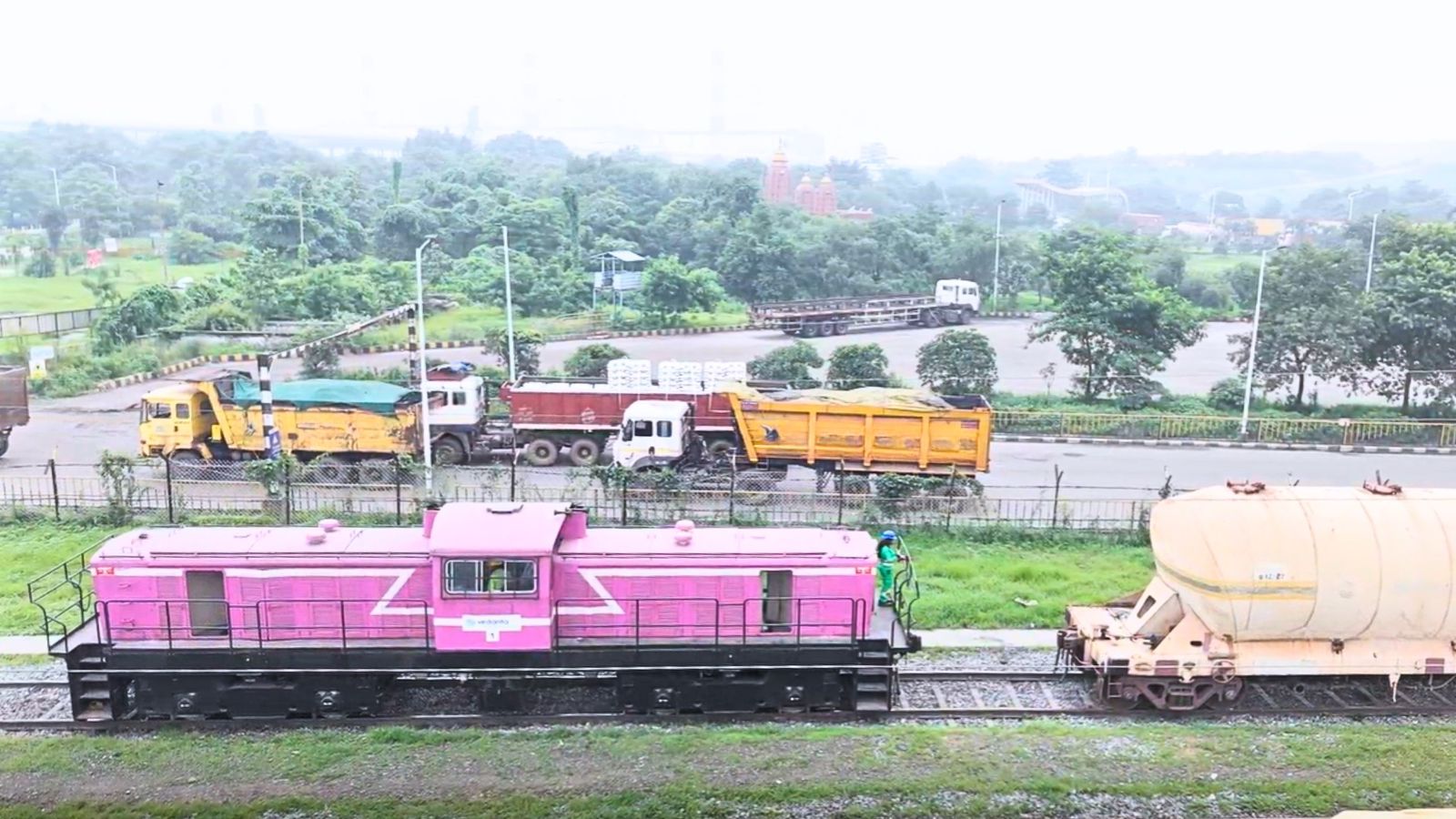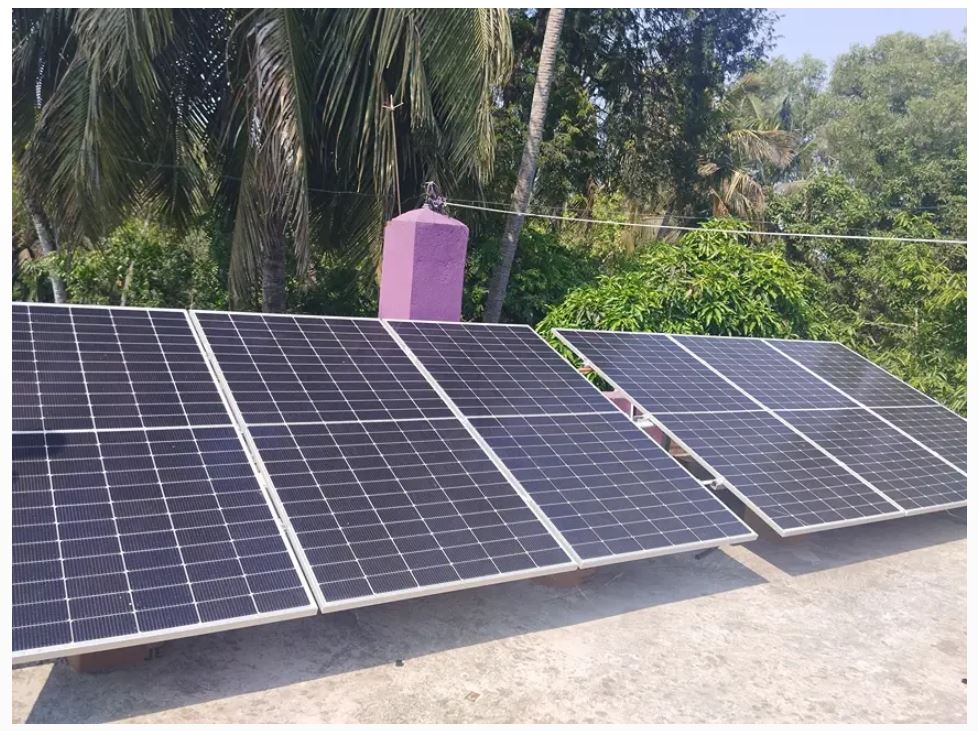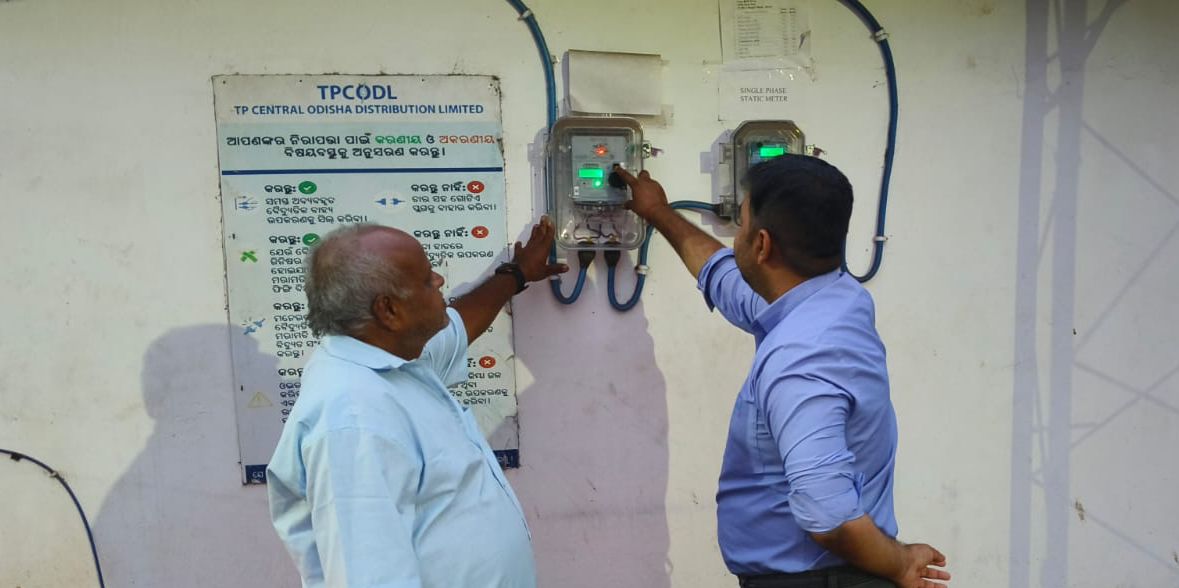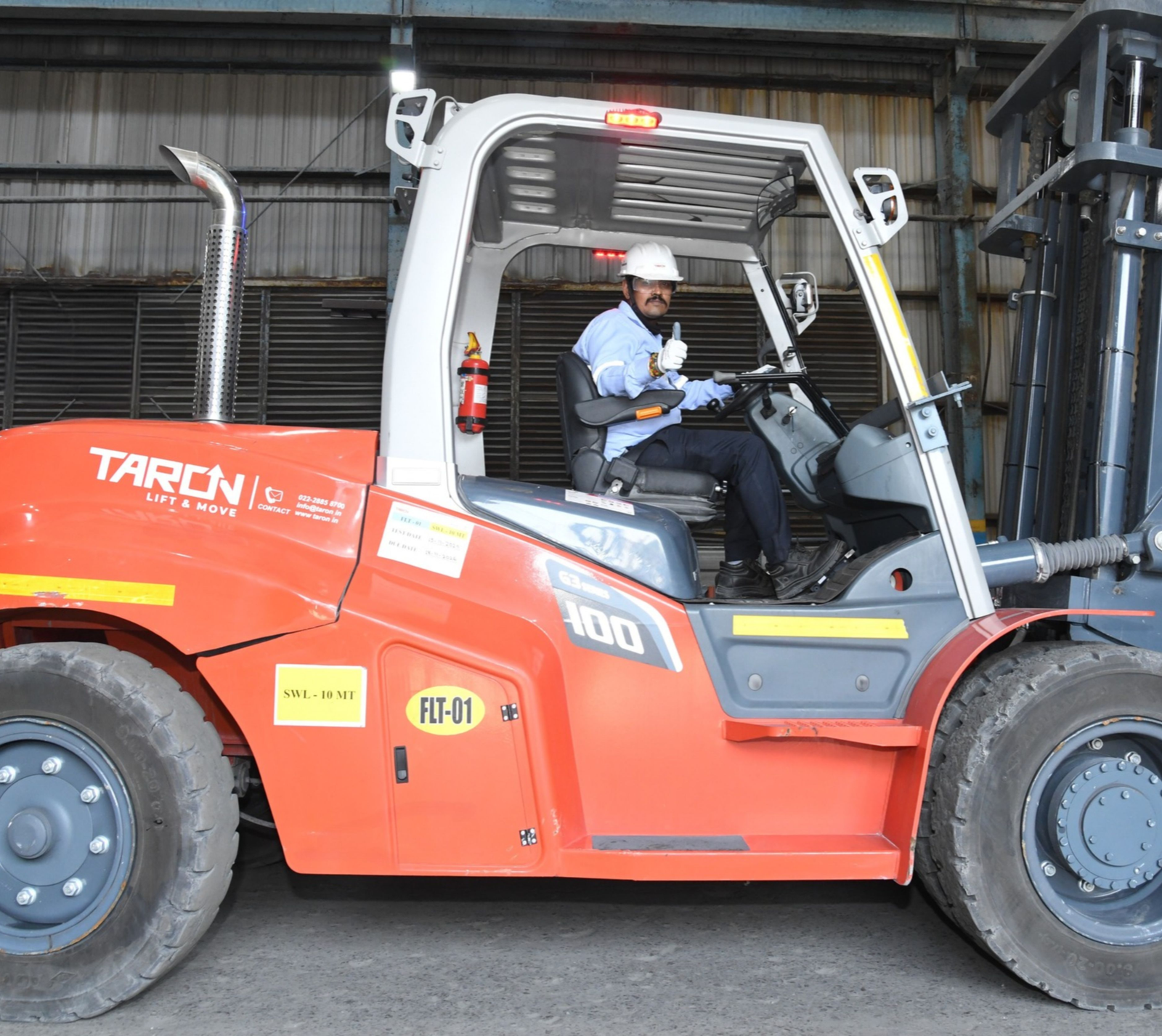
Bhubaneswar, Odisha; November 20, 2026:Vedanta Aluminium Metal Limited (VAML), India’s largest producer of aluminium, increased its use of renewable energy by 63% in FY26 while continuing to improve energy efficiency across its operations in Jharsuguda,Lanjigada and BALCO (Korba). During the year, the company consumed 2,562.81 million units of renewable energy and saved 635,757 MWh of energy through efficiency initiatives. As a result, VAML reduced its emissions intensity by 11.4% compared to its FY21 baseline, bringing it down to 16.57 tonnes of CO₂ equivalent per tonne of aluminium. Further advancing its clean energy transition, the company also signed agreements for 493 MW of round-the-clock renewable power as it works towards its 2030 clean power ambition.
Adding his views,Rajesh Kumar, CEO, VAML, said, “Aluminium has a vital role in India’s industrial growth and energy transition. Our responsibility is to increase supply while steadily improving how the metal is produced. The progress recorded this year reflects practical changes across our operations, from greater renewable energy use and energy efficiency to stronger recovery of water and materials. By publishing these results alongside detailed climate and nature disclosures, we are giving stakeholders a clear account of our progress and the priorities that will guide our next steps.”
Alongside its progress in renewable energy adoption and emissions reduction, VAML continued to strengthen its position as a leading supplier of responsibly produced aluminium for global markets. With customers in more than 60 countries, the company serves industries ranging from automotive and construction to electrical applications, packaging, renewable energy, and electric mobility. During FY26, VAML produced 2.45 million tonnes of aluminium, accounting for more than half of India’s aluminium output, while its Jharsuguda operations remained home to the world’s largest single-location aluminium smelter.
As it scales production to meet growing demand, VAML is also focused on using resources more efficiently across its operations. In FY26, the company recycled 19.91 million cubic metres of water, up from 16.79 million cubic metres in FY25. It also achieved more than 100% fly ash utilisation by drawing on both current and previously accumulated material, with industrial by-products finding productive use in sectors such as cement manufacturing and construction.
Beyond its operational footprint, VAML continued to strengthen its broader sustainability agenda across environment, people and communities. During FY26, biodiversity assessments were completed across all sites within its reporting boundary, helping the company better understand and manage its interaction with the ecosystems surrounding its operations. The company also reported continued progress in workforce inclusion, with women representing 19% of its workforce and 21% of management positions during the year.
VAML’s community development initiatives continued across education, healthcare, livelihoods and infrastructure in its operating regions, supporting improved access to opportunities and essential services. Together with advances in renewable energy adoption, resource efficiency and low-carbon products, these efforts reflect VAML’s commitment to responsible growth as it continues to serve customers in more than 60 countries, contribute over half of India’s aluminium production, and support the country’s industrial growth and energy transition.The performance outlined in this release is detailed in Vedanta Aluminium’s Sustainable Development Report FY26, available on the company’s website.